
 Español




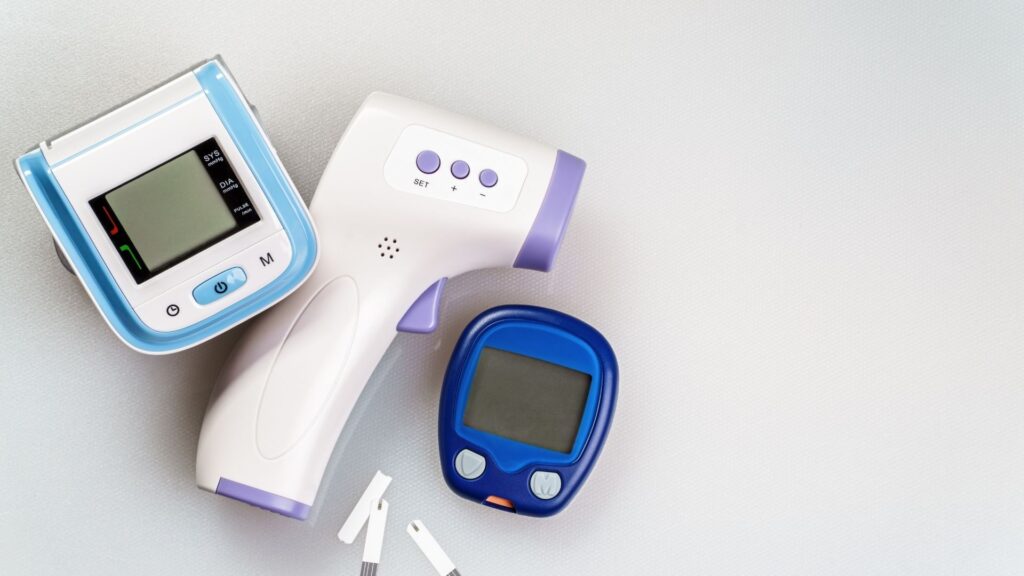
In healthcare, there is a great deal of infrastructure that goes unseen. It is not found in the doctor’s surgery, does not appear in diagnostic tests, and rarely reaches the patient by name. Yet it has a significant impact on what happens before a medical device is used in a hospital, a laboratory or a health centre.
EUDAMED is one of them. EUDAMED is the European Database on Medical Devices, a computerised system created by the European Union to centralise and manage information relating to medical devices and in vitro diagnostic medical devices in vitromarketed in Europe. It brings together data on manufacturers and other economic operators, devices, UDI identifiers, notified bodies, certificates, market surveillance and control, with the aim of improving traceability, transparency, patient safety and coordination between Member States. (health.ec.europa.eu)
The European database for medical devices is set to enter a significant phase in 2026. In November 2025, the European Commission published the decision declaring the first four modules of the system to be operational, and their mandatory use begins on 28 May 2026. This is no minor change for manufacturers, importers, authorised representatives, notified bodies and competent authorities.
In other words, Europe wants a clearer picture of which medical devices and in vitro diagnostic products are on the market, who manufactures them, how they are identified, what certificates they hold and how they are monitored.
It may sound like a bureaucratic matter, but there’s a lot more to it than that.
Medical devices form part of everyday clinical practice. These range from implantable devices to diagnostic equipment, healthcare software, in vitro tests and devices used in medical procedures. In a system that is increasingly technology-driven, more connected and more reliant on accurate information, traceability is no longer merely an internal matter for the manufacturer but has become a key aspect of healthcare safety.
EUDAMED was established within the framework of the European regulations on medical devices and in vitro diagnostic medical devices, known as the MDR and IVDR. Its aim is to bring together on a single platform information that, until now, may have been scattered across different countries, registers, certificates and economic operators.
The database is organised into six modules, which are:
- register of operators,
- unique identification and registration of products,
- notified and certified bodies,
- research clinical trials and studies on functioning,
- surveillance and monitoring post-marketing,
- and market surveillance.
The first four modules are the ones that will become compulsory in this first phase. Surveillance and post-marketing surveillance will be rolled out at a later stage.
One of the key elements is the unique device identifier, known as the UDI. The aim is to ensure that each product can be identified more clearly throughout its life cycle – not only when it is placed on the market, but also when it is certified, updated, when an incident is reported, or when relevant information needs to be traced.
In practice, this can help to improve the response to security issues, enhance market oversight and make it easier for authorities and professionals to work with more organised information.
It also has a direct impact on in vitro diagnostics. And this is where the issue is of particular interest. Modern medicine relies increasingly on complex tests: biomarkers, genetics, molecular diagnostics, screening tests, and companion diagnostics linked to specific treatments. If these tests guide important clinical decisions, information about their quality, certification and traceability is also important.
EUDAMED represents a step towards a European healthcare system with greater transparency regarding the products it uses.
Spain is also adapting to this new framework. The AEMPS points out that, until EUDAMED is fully operational, the relevant national registers will continue to apply. Furthermore, once the European database is fully operational, products placed on the market in Spain will be reported to the new Medical Devices Marketing Register, which is currently being designed.
It is clear, in light of this development, that innovation in healthcare is not just about developing new technologies, but also about knowing how to monitor, identify and track them once they reach the market.
Sometimes, patient safety depends on highly visible factors, such as a procedure, a clinical decision or a properly indicated test. At other times, it depends on less obvious aspects, such as databases, certificates, traceability, monitoring, records and the ability to respond.
EUDAMED falls into that second category, and may well become one of the tools that help to bring greater order to the European medical devices ecosystem.
At a time when the healthcare sector is incorporating more devices, more software, more molecular diagnostics and more technology, knowing exactly what is being used, who is behind it and how it is monitored is no longer a secondary issue.
It is part of health safety.
Sources
Comisión Europea — EUDAMED, Medical Devices:
https://health.ec.europa.eu/medical-devices-eudamed_en
Comisión Europea — EUDAMED overview:
https://health.ec.europa.eu/medical-devices-eudamed/overview_en
Comisión Europea — Getting ready for EUDAMED:
https://health.ec.europa.eu/medical-devices-eudamed/getting-ready_en
Comisión Europea — UDI / Device registration:
https://health.ec.europa.eu/medical-devices-eudamed/udidevice-registration_en
EUDAMED Information Centre — Welcome to EUDAMED:
https://webgate.ec.europa.eu/eudamed-play-help/en/welcome-to-the-eudamed-information-centre.html
AEMPS — National registers of medical devices:
https://www.aemps.gob.es/productos-sanitarios/registros-nacionales-de-productos-ccps-rps/