
 Español




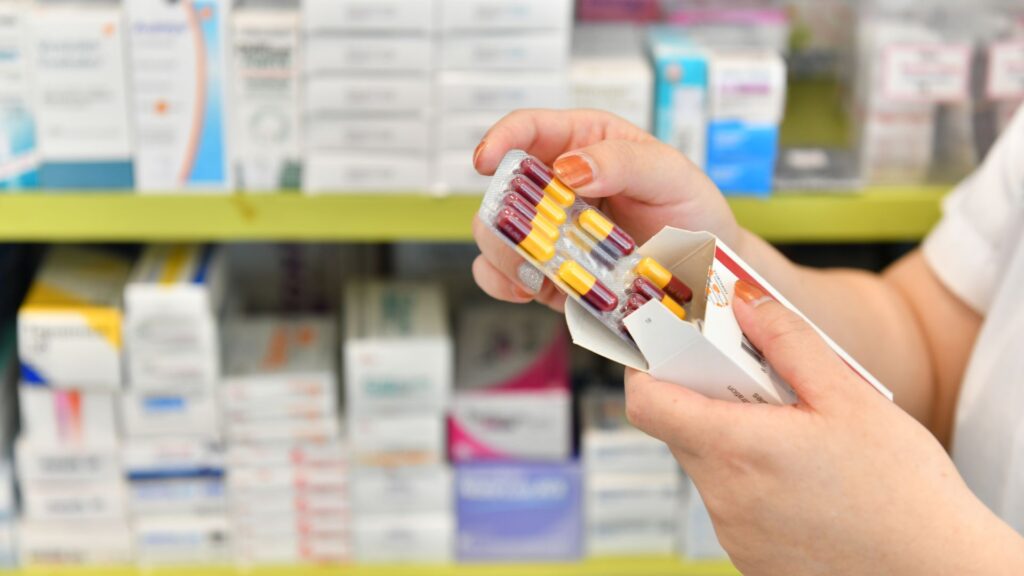
For a long time, problems with the supply of medicines have been treated almost as isolated incidents: an alert, an alternative treatment, a one-off measure taken by hospitals, pharmacies or regulatory bodies. But the mounting pressures of recent years have changed the approach
On 12 May 2026, the European Parliament and the Council reached a provisional agreement on the Critical Medicines Act, a regulation designed to strengthen the availability of medicines deemed critical in the European Union. The European Medicines Agency presented it as a step a18> step towards improving the resilience, safety and sustainability of the supply of these medicines in the EU. The Council, for its part, stressed that the new regulation will allow several countries to purchase jointly critical medicines or those of common interest, thereby increasing their capacity to negotiate.
Behind this initiative lies a very specific concern: Europe is overly reliant on long supply chains that are vulnerable to disruption and, in some cases, concentrated outside the EU. Reuters summarised the proposal’s aim in two very clear points: to boost production within the EU and to reduce dependence on imports, particularly from countries such as China and India.
We are not just talking about highly innovative medicines or expensive treatments. The list of products considered critical may include antibiotics, insulin, vaccines, medicines for chronic conditions, or treatments for rare diseases. In other words, medicines that underpin a very routine aspect of healthcare and whose shortage can cause significant problems, even if they do not always make the headlines.
For years, the procurement of certain medicines, particularly generics, has been subject to intense pressure on prices. Whilst this approach has helped to reduce costs, it has also revealed a downside: manufacturing in Europe is not always competitive compared to other regions. And when a supply chain breaks down, is delayed or becomes too concentrated, the initial savings can turn into a vulnerability.
The new European framework aims to redress some of this imbalance. The Commission is proposing strategic projects relating to critical medicines or their ingredients, measures to facilitate funding, cooperation between Member States, and public procurement criteria that take into account not only price but also security of supply.
The Critical Medicines Act still has to go through the formal legislative process, but the political agreement reached in May sets a clear course. Europe wants to reduce its reliance on third countries for products it considers essential to its health security.
Sources
European Commission — Critical Medicines Act:
https://health.ec.europa.eu/medicinal-products/critical-medicines-act_en
European Medicines Agency — EMA welcomes political agreement on Critical Medicines Act:
https://www.ema.europa.eu/en/news/ema-welcomes-political-agreement-critical-medicines-act
Council of the European Union — New rules for critical medicines in the EU:
https://www.consilium.europa.eu/en/policies/critical-medicines-act/
Reuters — EU agrees draft deal to tackle essential medicine shortages:
https://www.reuters.com/sustainability/boards-policy-regulation/eu-reaches-provisional-deal-address-shortage-essential-medicines-2026-05-12/